Thursday, January 13, 2011

The North Cape in the Land of the Midnight Sun


IMG_4899 Nordkapp


After our brief stop at the Sami trading post, we re-boarded the bus to reach the famous headland on the island of Magerøya named the North Cape of Norway.

English Explorer  Richard Chancellor named this point in 1553 when he passed the cape during his search for the Northeast PassageNordkapp is the Norwegianized form of the English name.

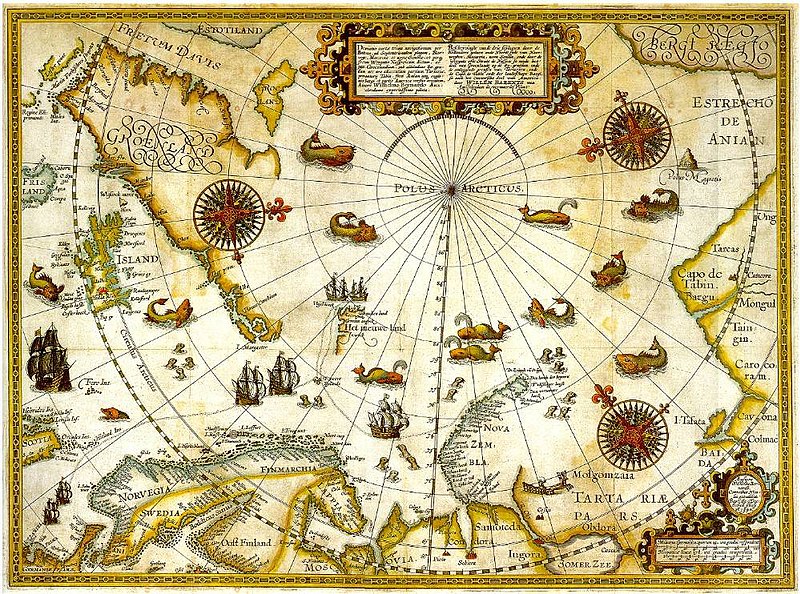
The North Cape is the point where the Norwegian Sea, the Atlantic Ocean, the Arctic Ocean, and the Barents Sea all converge. The Barents Sea was named after Dutch explorer and cartographer Willem Barentsz. This enchanting depiction is from the journal of fellow cartographer Jan Huyghens van Linschoten who joined Barentsz during his first two attempts at finding the Northeast Passage in 1594.
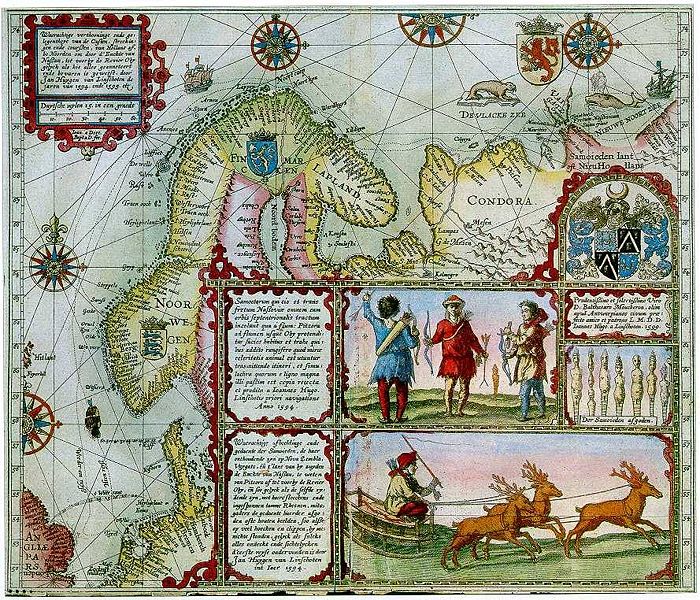
Source: Wikipedia
When I was in elementary school in Amsterdam, I learned about Barentsz’s tragic death at sea. I even had a jigsaw puzzle illustrating his quest. A nice summary of Barentsz's adventures can be found here at the website with the very intelligent name godutch.com. 

Barentsz remarkable map of his third attempt in 1597; it was published two years later. 


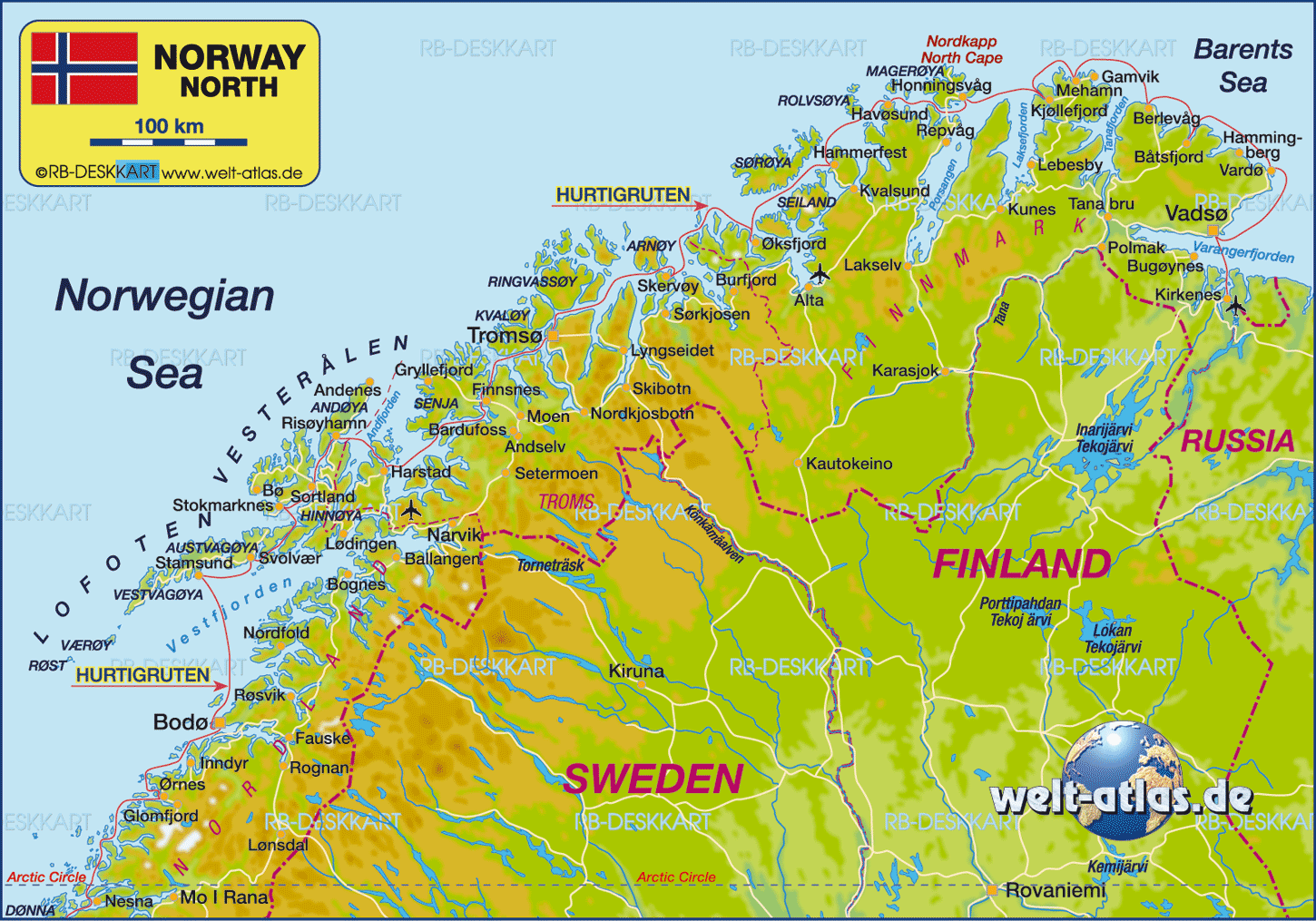
This modern, less fanciful, map shows the red Hurtigruten route we sailed on the “MS Midnatsol”. The North Cape is labeled, also in red, at the top of this map.

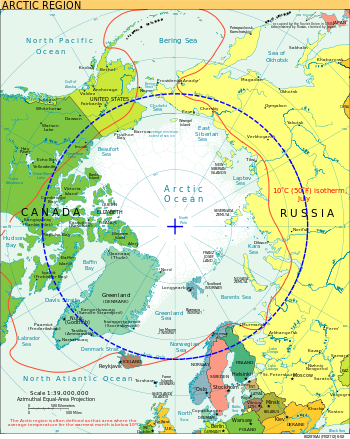
The North Cape is at latitude 71 degree, 10 minutes, and 21 seconds, just over a couple of thousand kilometers south of the North Pole. To give a frame of reference,  San Francisco is at latitude 38 north and London is at 51.


IMG_4878 Nordkapp 71 degrees 10 minutes 21 seconds

The North Cape's headland overlooks a barren, yet picturesque landscape. On this grey day, it was difficult to differentiate between the sky and the horizon.

IMG_4921 North Cape

The steep cliff rises 307 meters ( 1,007 feet) above the sea...

IMG_4891 Nordkapp

Today’s most iconic image of the North Cape is the globe that was built in 1978.

IMG_4915 Nordkapp


IMG_4898 Nordkapp

Daring explorers have scaled the walls of cliffs of the North Cape over the years. This spire commemorates the visit of King Oscar II of Sweden and Norway in 1873. 

IMG_4910 North Cape King Oscar II spire


In 1956, a road was built to give easier access to this famous landmark. The North Cape Hall houses the elaborate tourist center...

DSC07828 Nordkapp

...which features full-scale dioramas of scenes of the journey and arrival of King Oscar II.  A Thai temple and shrine honor Thailand's King Chulalongkorn's visit in 1907.

IMG_4886 nordkapp shrine thai kingDSC07835 Nordkapp shrine

The ecumenical chapel  St. Johannes Kapell...

IMG_4888 st johannes kapell

...has a beautiful mosaic entry shaped like the bow of a ship.

IMG_4887 nordkapp kappel ship's bow mosaic

...which is an altar with an opalescent mosaic on the inside.

DSC07834 Nordkapp Chapel altar

A full bar, with its unique architecture and furniture that blends into the environment, allows you to take in the view while sheltered from the elements. 

DSC07836 Nordkapp restaurant ceiling

We had soup and an open-face sandwich in the nautically-decorated cafeteria.

DSC07831 Nordkapp from cafe

We had time to briefly visit the Children of the Earth Monument...

IMG_4903 North Cape Children of the Earth monument


...before our bus ride back to our ship.

IMG_4588 Midnatsol


“Midnatsol” is the word for “midnight sun” in Norwegian. The midnight sun can be seen from the North Cape between May 14 and July 29. We were at the Cape on August 2nd, so technically the sun did set, but I certainly did not witness it. I remember waking up in the middle of the night curiously looking out our porthole. Though this was taken a few hours earlier, it looked very similar at three in the morning. 


IMG_4946 Midnatsol porthole

I took this picture from the ships deck the night before, when we were still at the 70th parallel north.

IMG_4739 from the Midnatsol

After seeing the beauty of the sun’s light in this part of the world, I can understand why the midnight sun has been a major inspiration for literature, music, and countless paintings.
Enhanced by Zemanta

Thursday, January 6, 2011

The Sami People of Nordkapp

IMG_4835 Nordkapp

This summer we took a cruise on the Norwegian passenger and freight line Hurtigruten ("Express Route" in English) We boarded the "Midnatsol" in Bergen and sailed for one week up to Kirkenes.  One of the last stops of our voyage was the North Cape (Nordkapp), located well north of the Arctic Circle.

One of the surprises on this cruise is that I did not spot more birds along the way. I fully expected to see many breeding grounds along the coastline, but it was surprisingly bare. I was therefore on high alert when I saw a few small dots bobbing in the water about an hour before we docked.


IMG_4822 puffin at nordkapp uncropped

A closer examination revealed that these dots were puffins. Not a great picture, but it's the only one I have.

IMG_4822 puffin at nordkapp
Atlantic Puffin (Fratercula arctica)

I had the option to take the bird safari excursion, where I would have been able to see large flocks of puffins and kittiwakes and even the mighty sea eagles, but ultimately I chose to join the rest of my family on the bus tour to see the North Cape (Nordkapp), 21 miles away, on the north side of the island of Magerøya

We docked in Honningsvåg, which claims to be the northernmost city in Norway, or even the world, but there are several other cities who dispute this claim. The village was occupied by the Germans in World War II; sadly, only the chapel was spared destruction. After the war,  many of the houses were restored to their original style, using the original color scheme. Historically, white was the most expensive paint color and therefore the most prestigious. Prestige or not, the white houses would not look as pristine and idyllic were it not for the occasional red and yellow structures against the bright green grass. 

IMG_4826 on the way to Nordkapp

We boarded a bus that drove us past the traditional fish racks which still had cod drying in the sun before winter sets in. 

IMG_4932 Nordkapp fish racks

We saw many more racks on the hillsides, but they had already been picked bare. 

IMG_4847 Nordkapp fish racks

The bus careened along the winding roads across the bald sub-arctic landscape of the island.

IMG_4840 Nordkapp bus view

Periodically the bus driver would point out reindeer grazing on the short grass. See if you can spot the stag and three does below. Don't worry if you can't, I had trouble seeing them too. If you're hell-bent on seeing them, you can click here . Fortunately, we did get the opportunity to see more reindeer up close only a few minutes later.


IMG_4837 Norkapp bus view

Only the indigenous people called the Sami (also spelled Sámi, or Saami) are allowed to practice reindeer husbandry in Norway. Magerøya Island can boast 5,000 reindeer, all owned by five Sami families. The reindeer are allowed to roam freely, with only minimal fencing to keep them from harm. 

DSC07820 Nordkapp fence

The tags in the ears of the reindeer indicate ownership. 

IMG_4858 reindeer numer 1069
Reindeer (Rangifer tarandus)

IMG_4855 reindeer

IMG_4854 reindeer

Both males and females grow antlers.  I was amazed how fuzzy they were (no, I did not touch them). 

IMG_4870 reindeer

To save energy, they shed them annually. On our way back to the ship, we found shed antlers offered for sale in a small Sami shop near the ship.

The bus stopped at a Sami trading post where a Sami posed with tourists in his colorful native costume. It is not difficult to imagine the seed of inspiration for Santa's elves' costumes.

IMG_4851 reindeer photo op

The Sami use a temporary shelter, called a lavvu, which is strikingly similar to the teepees of Native Americans of the Great Plains. The portability of this structure allows the herdsmen to follow their reindeer.

IMG_4930 Sami Trading Post


IMG_4867 saami tent

Traditionally the reindeer hides were used as a cover, but now lighter fabrics are used to lighten the load. The long straight poles to construct these dwellings must be prized because tall vegetative growth appears to be scarce in this region. To our surprise there was an open fire inside, but the smoke easily escapes from the smoke hole at the top. 

IMG_4865 saami tent

The interior walls were decorated with the gorgeous native attire made with generous yardage and elaborate workmanship. I can imagine how fantastic these crisp, bright colors would look in the stark white snow. 

IMG_4861 saami costume

The trousers are made of reindeer hides.

IMG_4863 saami costumes

IMG_4864 saami costumes

The style and colors used in these these garments appear to be a perfect blending of Scandinavian, Russian, and Northwest Indian cultures.  Not surprising, given that all these descend from within the Arctic Circle and the nomadic nature of the Sami people. 

Many Sami regard the term Laplander as a pejorative term. In most Scandinavian languages the word "lap" means a patch of cloth used for mending. Where one culture used a scrap of fabric out of necessity, one could see how it may be difficult to understand that another culture used them as artistic adornments. 

We had only a few minutes to take a look at the goods offered in the trading post. My sister is to be commended for finding and purchasing a splendid black wool shawl for our mother in less than five minutes.

IMG_4873 saami costumes

IMG_4874 saami accessories


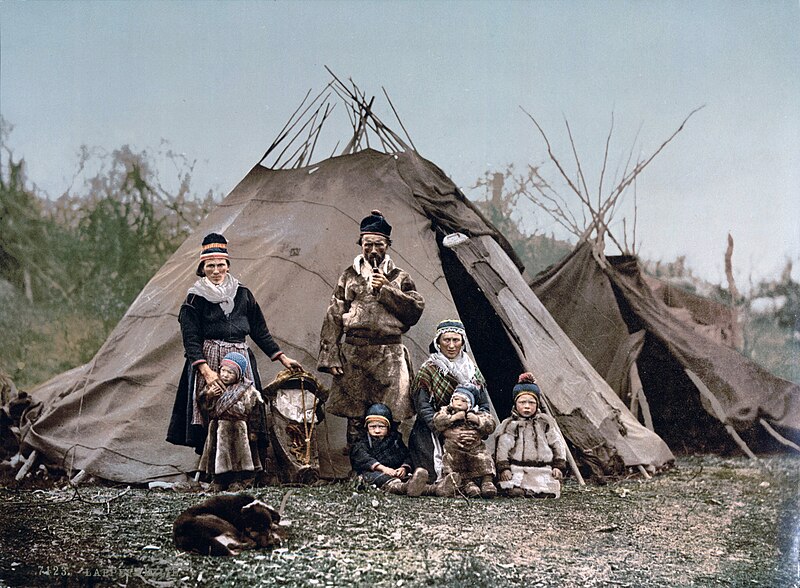
The Sami people suffered from laws of forced assimilation into the Norwegian culture, which peaked from 1900 to 1940 when anyone who wanted to buy or lease state lands for agriculture in the county had to have knowledge of the Norwegian language and register with a Norwegian name.

Sami Family, 1900, Source: Wikipedia

Despite these pressures and other draconian practices since the nineteenth century, the Sami prevailed. The pressures to chip away at their colorful culture is now coming from all around the globe.

IMG_4938 Nordkapp Saami vendor and teen

I dearly hope that the Sami culture continues to prevail so that the world can enjoy their artistry. 
Enhanced by Zemanta
Related Posts Plugin for WordPress, Blogger...
Bookmark and Share